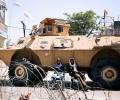
The activation of diplomatic channels is likely to yield better results than a simmering hostility, recommends Ajai Shukla.

Ahmed Shah Massoud's assassination, 9/11 and the defeat and ejection of the Taliban suggested a break in Afghanistan's history, but the events of August 2021 and the Taliban's return shows how deeper continuities remained in place, points out T C A Raghavan, former Indian high commissioner to Pakistan.

Once Mazar-i-Sharif falls, some isolate pockets of resistance may remain, which the Taliban would tackle through political work or coercion, asserts Ambassador M K Bhadrakumar.
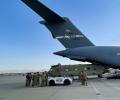
Remember the US withdrawal agreement was signed in February 2020. In the intervening period, a proper evacuation plan ought to have been in place. It was not. Consequently, tens of thousands of Afghans who had worked as interpreters, drivers, suppliers of goods and services, etc, face brutal retribution from the Taliban, Virendra Kapoor points out.

'The danger today is that out of sheer fatigue and exasperation, the US might cut loose and exit from Afghanistan leaving it to the region to cope with the debris, which it is ill-equipped to handle,' says Ambassador M K Bhadrakumar.

'It was a mission undertaken in darkness in every sense -- literally, because Afghanistan had no electricity at that time; and, metaphorically because Delhi historically dealt only with the Pashtuns of Afghanistan and the foreign ministry's vast archives had nothing to offer on the culture and politics of the northern tribes in the Hindu Kush.'
